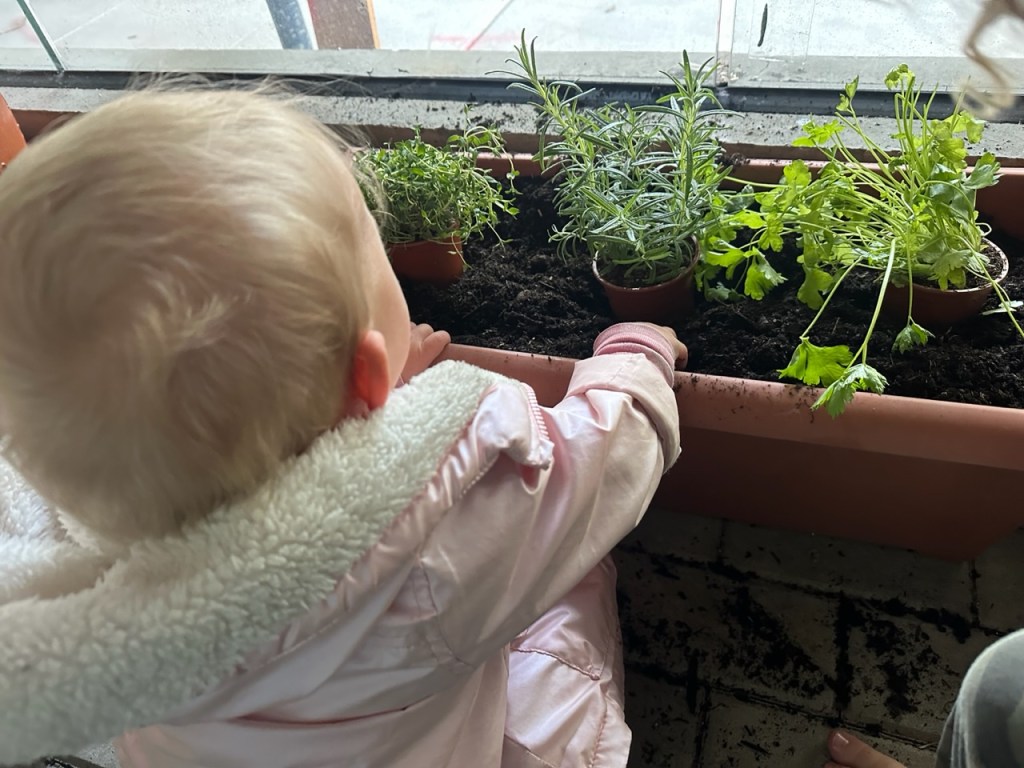
My kids and I are slowly working our way through our Montessori-inspired kitchen garden unit study.
Living in a San Francisco apartment means we don’t have the space for large vegetables like tomatoes, zucchini, or cucumbers—but we do have plenty of light and room for herbs.
Starting a small herb garden using Trader Joe’s potted herbs is a budget-friendly, hands-on, sensory-rich activity that fits beautifully into a Montessori-inspired preschool homeschool rhythm.
In this post, I’ll share how we set up a simple herb garden, invited our children into meaningful learning, and integrated sensory and practical life work into our homeschool days.
Why Use Trader Joe’s Herbs to Start Your Garden
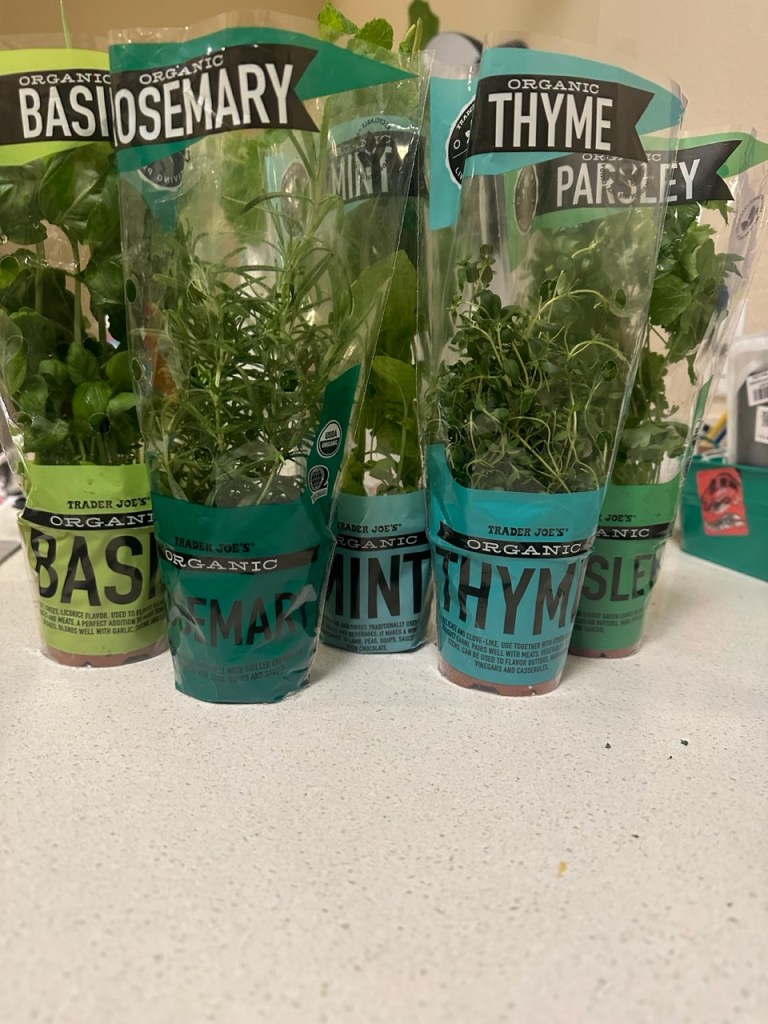
Variety: Trader Joe’s typically carries parsley, rosemary, thyme, oregano, and basil in 2.5″ pots. You can even regrow green onions by placing the bulbs and roots in water.
Accessibility: Whether you’re in the city or the suburbs, every Trader Joe’s I’ve visited carries live herbs in the produce section.
Budget-Friendly: Though the price recently increased from $2.49 to $3.33, it’s still one of the most affordable ways to start a home garden with individual potted plants.
Montessori-Aligned: Real, purposeful work. Hands-on connection with the natural world. Opportunities for independence and responsibility—all foundational to Montessori principles.
Preparing the Environment: Setting Up Your Herb Garden
This post contains affiliate links, these are items I have enjoyed myself or would purchase for this project. If you make a purchase I might receive a small commission
In the Montessori method, the prepared environment is a thoughtfully arranged space that invites the child into independent, meaningful work. Your herb garden can become just that—a nurturing, hands-on learning space where your preschooler explores nature with all five senses.
Materials You’ll Need:
- Assorted Trader Joe’s herbs
- Potting soil (we purchased ours on sale from Costco)
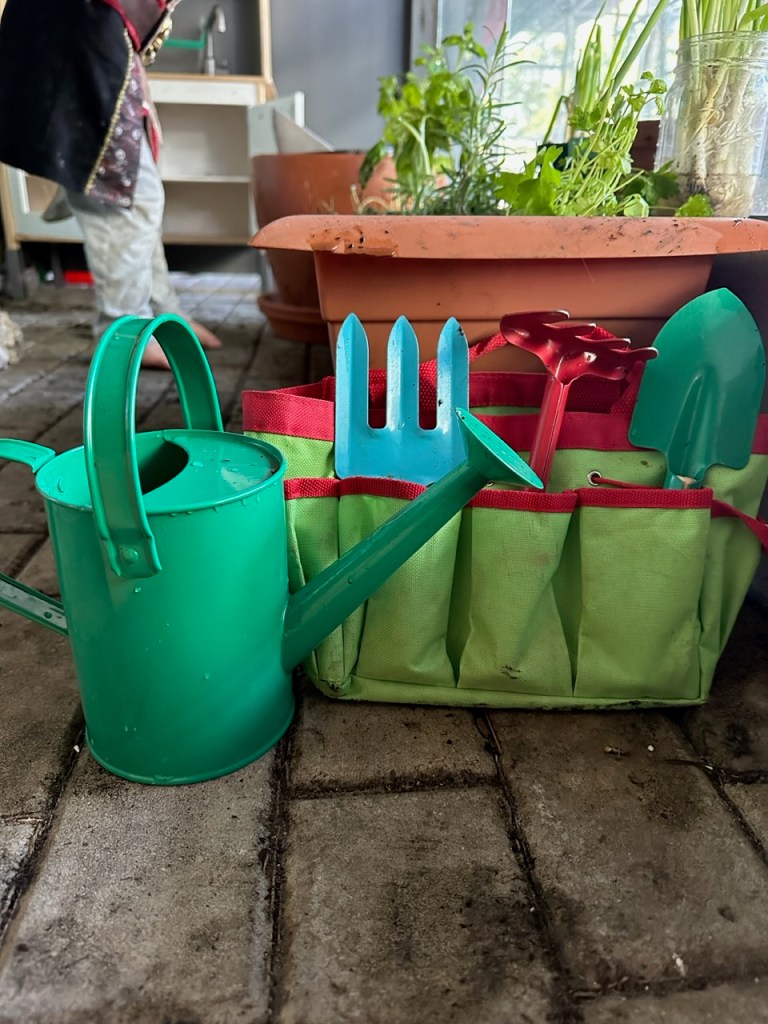
- Child-sized gardening tools
- Pots or containers for planting
- Garden journal or sketchbook
- Optional: Books about gardening my children enjoyed Let’s Get Gardening 30 Easy Gardening Projects for Children and My First Garden by Satu Fox
Let Your Child Choose the Herbs

Start by visiting Trader Joe’s together and inviting your child to help select the herbs. This small act of choice builds ownership and enthusiasm. You might say, “Would you like to care for the mint or the basil this week?” Even one or two herbs can spark curiosity.
Look for healthy potted options like:
- Sweet basil – vibrant green and flavorful
- Mint – soft, textured leaves and a fresh scent
- Rosemary or thyme – woody, aromatic herbs
- Parsley – great for cooking together
- Green onions – easy to regrow and fun to taste
This outing becomes a field trip in itself: observing labels, smelling different herbs, and making real-life decisions.
Tip: Pot mint and oregano in their own pots. They are both aggressive and will crowd out other herbs
Create a Child-Friendly Gardening Space
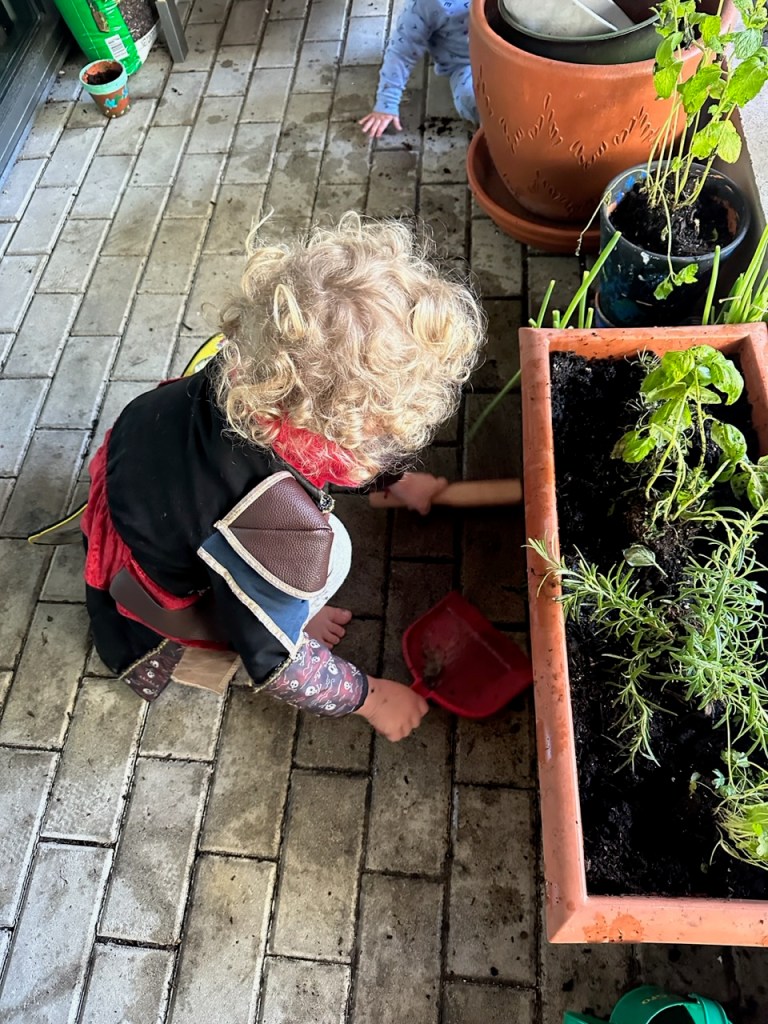
Once home, set up a simple gardening area where your child can work with minimal help. This might be a windowsill tray, a low shelf near sunlight, or a small outdoor corner.
Tips for setting up:
- Re-pot herbs into easy-to-handle containers. Let your child scoop the soil and gently pat it around the plant.
- Use child-sized tools: a small watering can, spray bottle, and soft cloth for leaf care.
- Organize tools in a tray or basket for accessibility and order.
- Create a visual routine chart:
Check plants → Touch soil → Water if dry → Gently wipe leaves
Laminated cards with simple pictures can empower even the youngest learners.
Observe, Model, and Invite
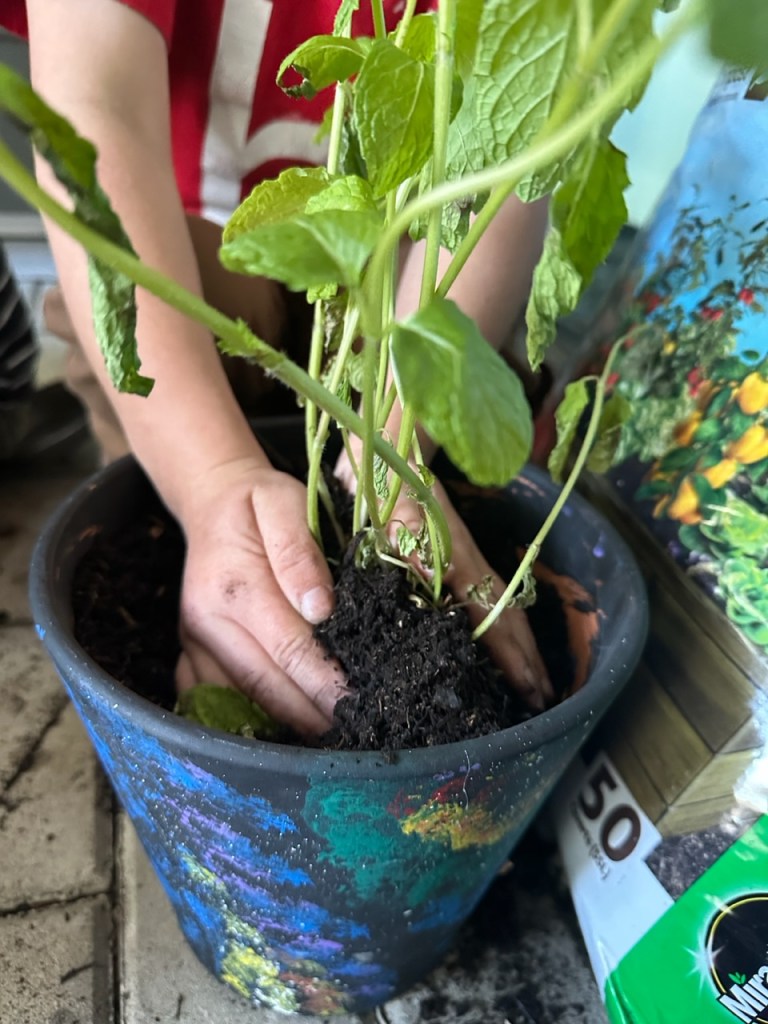
In Montessori education, observation precedes instruction. Spend a few calm minutes each day modeling how to care for the plants. Gently touch a leaf, check the soil, and say the herb’s name.
Soon, your child may begin initiating care—watering their plant, noticing new growth, or announcing proudly, “This one needs a drink!”
This quiet ritual not only builds gardening skills, but also nurtures patience, focus, and responsibility. And when the herb they’ve cared for ends up in their lunch? That’s the joy of real, purposeful work.
Montessori-Inspired Activities for Herb Learning

Sensorial Work
- Herb Smelling + Tasting Tray: Offer small bowls of fresh leaves for smelling and tasting.
- Three-Period Lesson: “This is basil. Show me the basil. What is this?”
- Texture Sorting: Compare leaf textures (e.g., soft mint vs. coarse rosemary). Match herbs to texture cards or fabric swatches.
Practical Life Skills
- Plant Care: Watering, trimming, repotting, and wiping leaves.
- Food Prep: Wash and tear herbs. Spread butter on toast and sprinkle with green onions or parsley. Try making herb-infused water or simple herbal tea.
Language + Journal Work
- Herb Observation Journal: Draw and label herbs. Describe scent and flavor (dictation works well for early writers).
- Vocabulary Extension: Use real-life photos and 3-part Montessori cards to name and identify herbs.
Cooking with Herbs: Montessori in the Kitchen

Simple, herb-based recipes your preschooler can help prepare:
- Lemon-Mint Water
- Tomato Basil Bruschetta
- Rosemary Home Fries
Involve your child in each step:
- Use child-safe knives or crinkle cutters.
- Let them pour, sprinkle, stir, and serve with confidence.
Holistic Homeschool Tie-Ins

Literature:
Include books with real-life images or botanical illustrations. My First Garden by Satu Fox is a lovely resource, adaptable for young learners.
Science:
Introduce plant parts using puzzles or real leaves. Track growth over time and explore how sunlight or watering affects the plants.
Math:
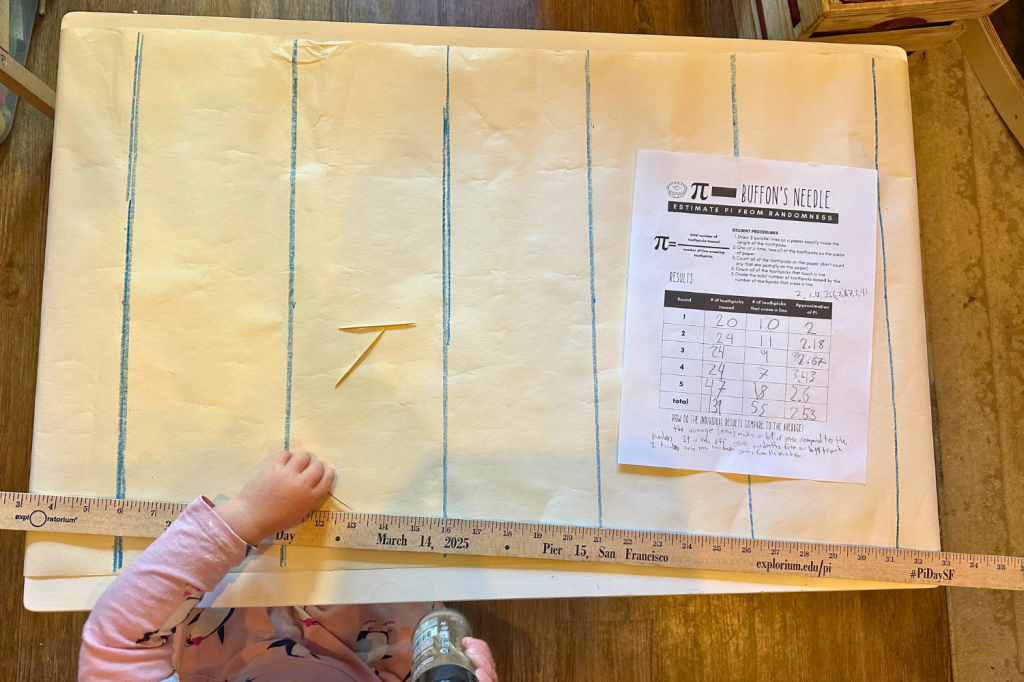
Count stems or leaves. Use herb bundles to teach comparison (shorter, longer, more, less).
Art:
Try herb stamping, leaf rubbings, or watercolor paintings of the herbs in their pots.




 Seven Founding Hills
Leave a comment