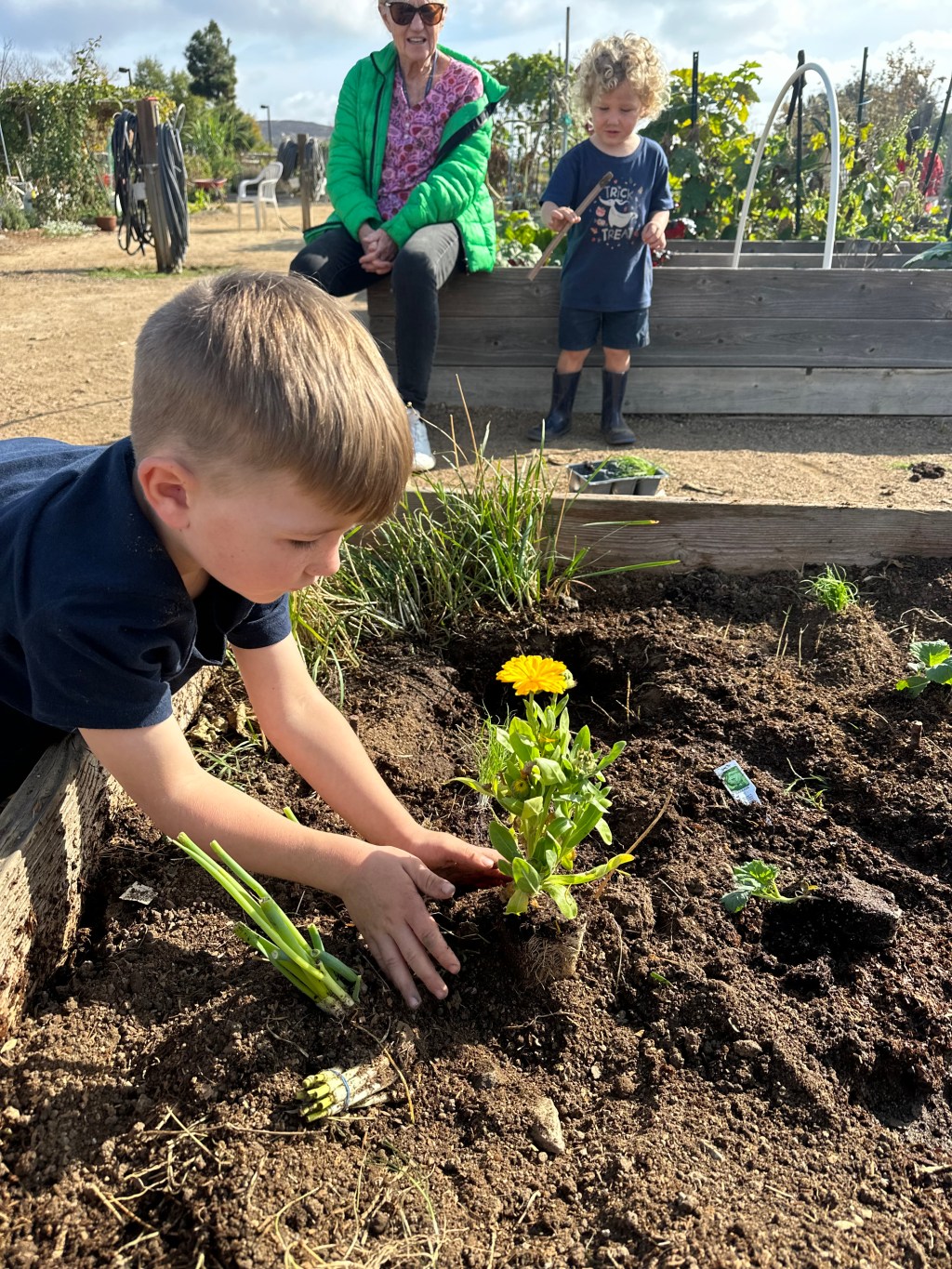
It is officially spring in California, so it is time to start planting out kitchen garden. Follow our family through our four week kitchen garden homeschool curriculum as we learn about plant life cycles and anatomy while planning a kitchen garden.
Each week we will read a garden related books, perform garden labs and activities, and journal our observations.
Over four weeks we will study:
Week 1: Seeds and Plant Life Cycles
Week 2: Plant Anatomy and Genetics
Week 3: Plant Cultivation and Compost
Week 4: Food Preparation and Preservation
Every Sunday I will share a detailed lesson guide on the books we will be checking out of the library, instructions for our weekly activities, as well as suggested garden journal entries.
The reading list for our kitchen garden homeschool curriculum is designed with my primary school children in mind. However, I will include supplementary readings for middle schooler. The kitchen garden activities are adaptable to all ages.
Our family will be doing this unit study together, so I will share how I will adapt activities for preschool, elementary, and middle school students.
The Garden Unit Study will end just before Earth Day on April 22nd. I feel like ending our unit study on food preparation and preparedness is a great transition to sustainability.
There are few things more humbling than trying to grow your own food. Tending a garden inspires a great awe for the natural processes as well as the an appreciation of the fragility of life.
What is a Kitchen Garden?
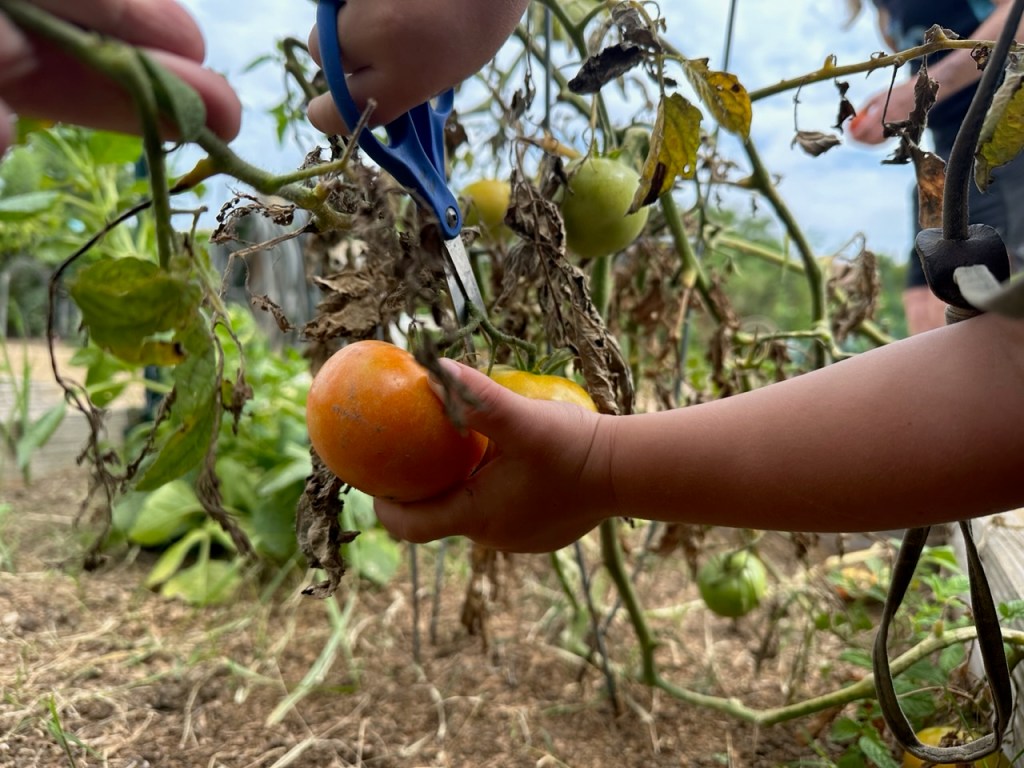
A kitchen garden is a small, homegrown garden dedicated to growing herbs, vegetables, fruits, and edible flowers for daily use in cooking. They can be as small or as large as your space allows.
Typically located near the kitchen or in a backyard, it allows for easy access to fresh ingredients. Unlike large-scale farms, kitchen gardens focus on small, manageable plots or container gardening, often incorporating organic and sustainable practices.
They are an excellent way to teach your kids to enjoy fresh, seasonal produce while promoting self-sufficiency and a deeper connection to food sources.
Living Books About Gardening
This post contains affiliate links, if you make a purchase I might receive a small commission

I will be checking out the following books from the library for this unit study. As I create my weekly lesson plan I will give more insight on which books we will read as a part of our morning basket or use as guides for our garden lab.
Seed to Plant by Gail Gibbons
A Seed is Sleepy by Dianna Hutts Aston
How A Seed Grows by Helene J. Jordan
My First Garden by Satu Fox
Oh Say Can You Seed? by Bonnie Worth
Let’s Get Gardening 30 Easy Gardening Projects for Children
Flowers by Gail Gibbons
Gregor Mendel – The Friar Who Grew Peas by Cheryl Bardoe
How to Grow Plants for Free by Simon Akeroyd
How to Say Hello to a Worm by Kari Percival
Breed Your Own Vegetable Varieties by Carol Deppe
Pick, Pull, Snap! by Lola M. Schaefer
A Spring Treasury of Recipes, Crafts, and Wisdom by Angela Ferraro- Fanning
The Art of Preserving by Emma Macdonald
Home-grown Harvest by Eve McLaughlin
Kitchen Garden Study Materials
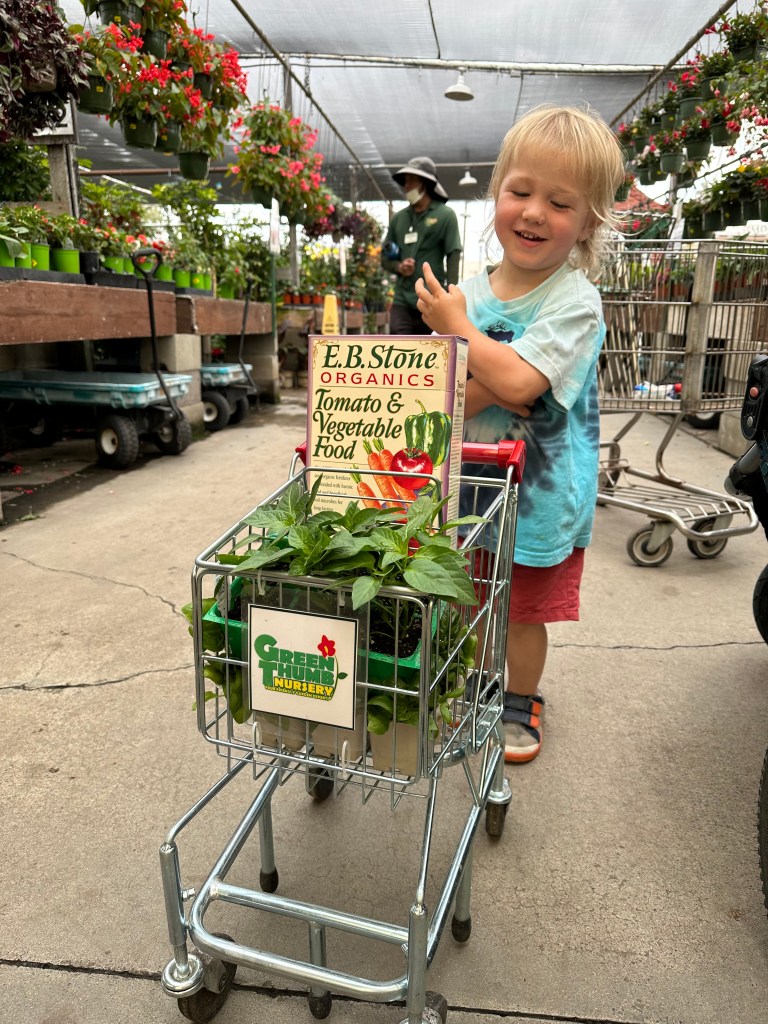
One of my favorite thing about gardening is how inexpensive it can be to get started. Plants need sun, water, and dirt to live. Fancy seed starting set ups and expensive pots may increase germination rates and look nice, but I know many confident gardeners who start seeds on wet paper towels in plastic bags.
If you’re not sure what you may need to complete the activities in this unit study I provided a list of materials I will be using.
- Seeds (I recommend beans, sunflowers, or squash because the germinate quickly and grow fast)
- Garden Journal (cute informative garden journal, however, we will be using composition books we have on hand)
- Kid sized garden supplies
- Peat Pellets or Seed Starting Mix
- Seed starting containers like toilet paper rolls or rolled up newspapers (we will be planting our seeds in a clear planter to observe root growth)
- Garden pots (I have used cloth pots with great success in the past but I plan on using a wood wine crate because I have it on hand)
- Microscope (My preschoolers love this plastic microscope and it is pretty near indestructible)
- Rocks (to make garden markers)
- Acrylic Paint (paint that does not wash away)
- Garden Planner for Kids
Garden Unit Study Schedule
Week 1: Seeds & Plant Life Cycles
- Concepts: What is a kitchen garden? How do plants grow?
- Planned Readings: A Seed is Sleepy by Dianna Hutts Aston, How a Seed Grows by Gail Gibbons, Let’s Get Gardening, How to Grow Plants for Free by Simon Akeroyd
- Activities:
- Start a garden journal and plan what to grow based on your family’s favorite meals and garden location
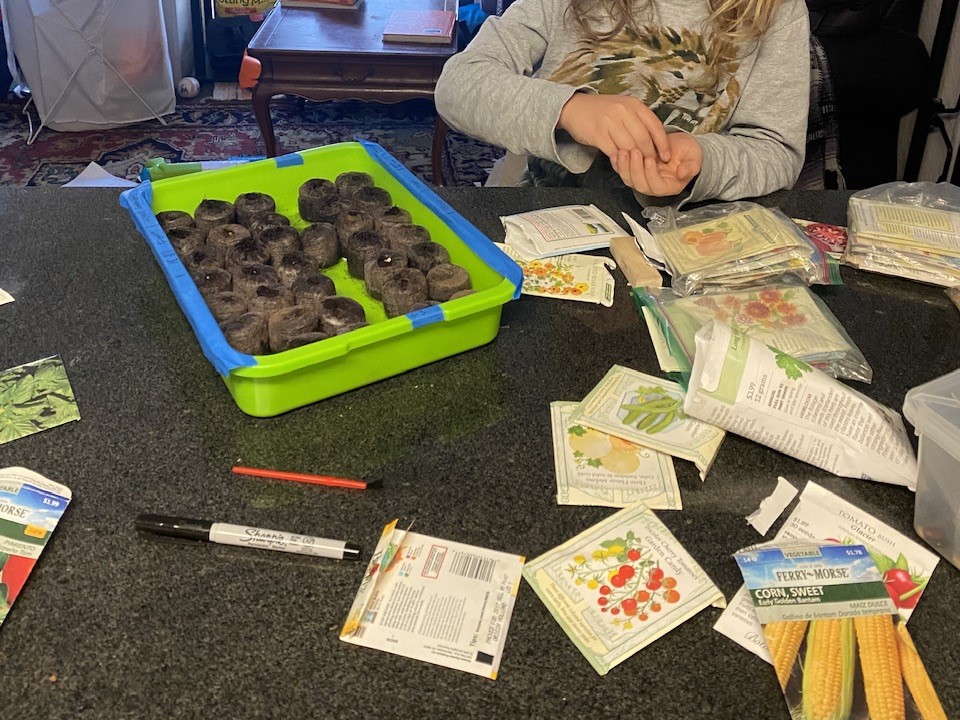
- Start seeds and track their growth
- Create a kitchen garden life cycle chart for an herb and a vegetable
- Creative Projects:
- Seed Collage Art – Use different seeds to create textured artwork of flowers, vegetables, or abstract designs.
- Garden Planning Poster – Have kids draw and label a layout of their dream kitchen garden.
- Storytelling with Seeds – Create a nature-based story inspired by a seed’s journey to becoming a plant.
- Field Trip:
- Visit a local botanical garden or nursery to explore different plant varieties and learn about seed germination.
Week 2: Plant Anatomy & Genetics in the Kitchen Garden

- Concepts: How vegetables, herbs, and edible flowers grow
- Readings: Flowers by Gail Gibbons (for edible flowers), Breed Your Own Vegetable Varieties by Carol Deppe, Gregor Mendel by Cheryl Bardoe,
- Activities:
- Dissect a vegetable and flower (e.g., a tomato or pepper) to study its seeds
- Create a Punnett square to predict the probability of plant traits
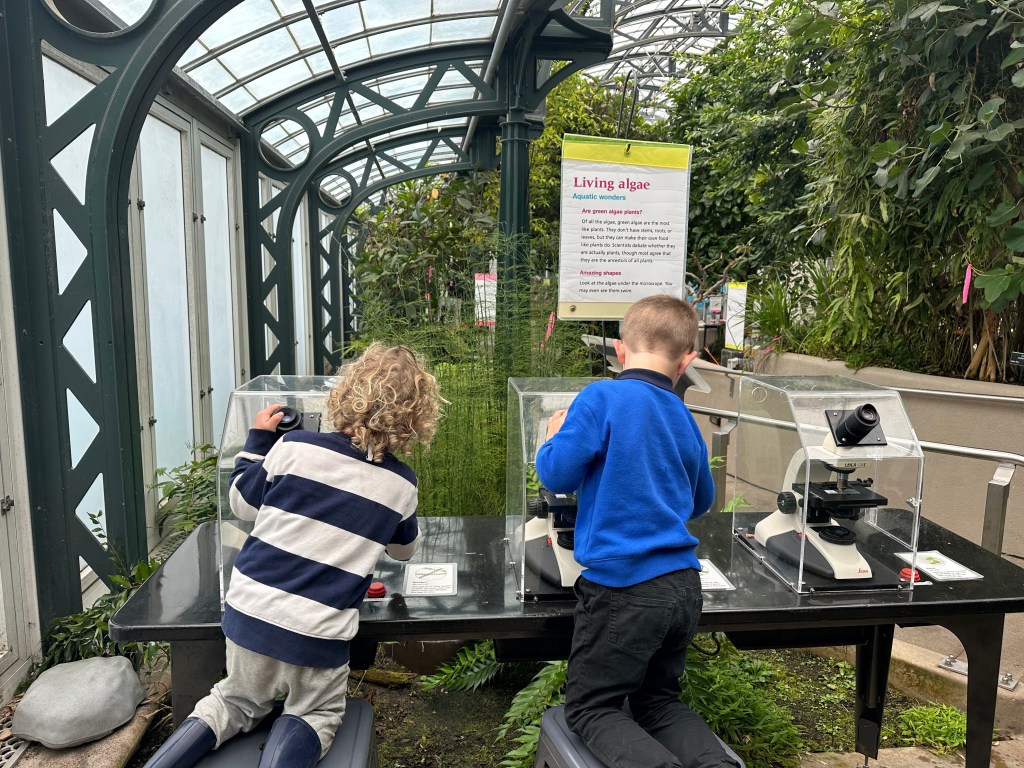
- Look at an onion root tip and leaf slice under a microscope and compare
- Transplant seedlings into pots or garden beds
- Creative Projects:
- Pressed Herb & Flower Prints – Collect leaves and flowers, press them in a book, and use them to make framed prints or bookmarks.
- Watercolor Plant Anatomy Diagrams – Paint the parts of a plant and label them artistically.
- DIY Plant Collage – Arrange leaves and herbs on paper to create a beautiful picture.
- Field Trip:
- Visit a local farm or community garden to observe plants at different stages of growth and talk to a gardener about plant life cycles.
Week 3: Plant Cultivation and Compost
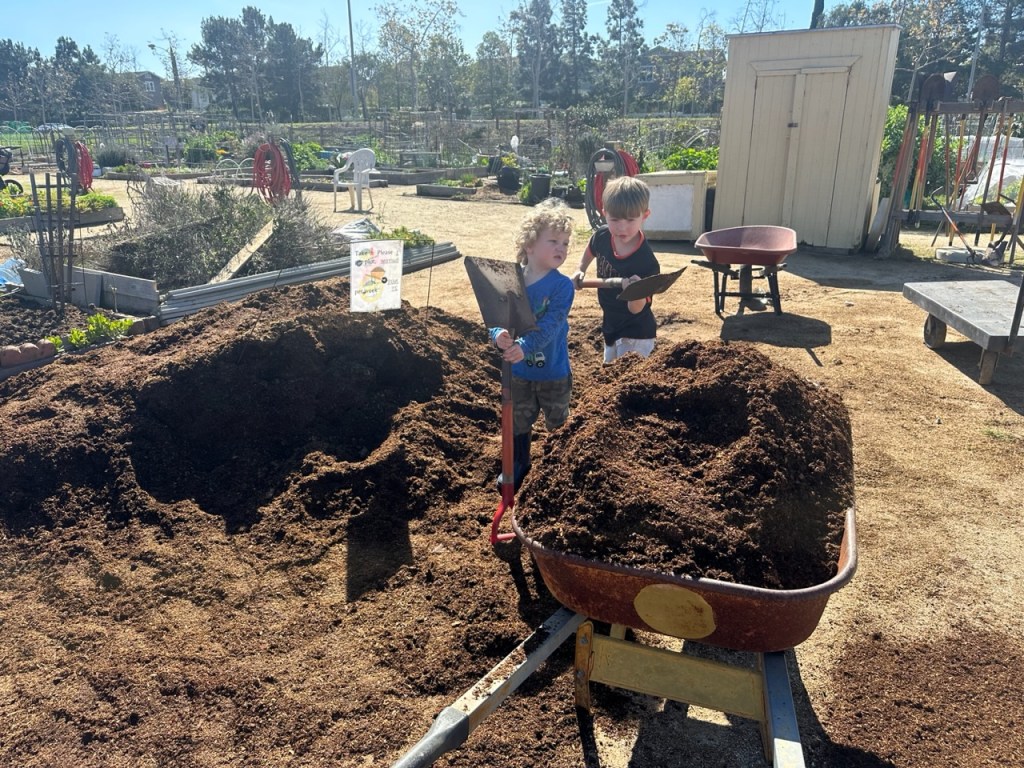
- Concepts: Soil health, watering schedules, companion planting, plant breeding
- Readings: How to Say Hello to a Worm by Kari Percival, Pick, Pull, Snap by Lola Schaefer
- Activities:
- Start a compost box. Learn what food scraps and waste can be composted
- Learn about natural pest deterrents (e.g., planting marigolds to repel pests)
- Create homemade plant markers with painted stones or wooden sticks
- Creative Projects:
- Mud Painting – Use different types of soil mixed with water to create natural earth-tone paintings.
- Compost Transformation Photo Journal – Take pictures or draw weekly updates on changes in the compost pile/bin.
- Van Gogh’s Garden-Inspired Art – Study Vincent van Gogh’s garden paintings and create a textured painting of a kitchen garden using thick brushstrokes and vibrant colors.
- Field Trip:
- Tour a composting facility or community compost program to see large-scale composting in action and learn how to improve soil health.
Week 4: Food Preparation and Preservation

- Concepts: When and how to harvest, cooking with fresh ingredients
- Readings: A Spring Treasury of Recipes, Crafts, and Wisdom by Ferraro-Fanning Angela
- Activities:
- Smell and taste herbs from the garden
- Harvest herbs and dry them for later use
- Make a simple meal with fresh kitchen garden produce (e.g., homemade pesto)
- Observe pollinators in your garden and document them in a journal
- Creative Projects:
- Handmade Recipe Book – Illustrate and write down recipes using homegrown herbs and veggies.
- Herb Stamped Tea Towels – Dip fresh herbs in fabric paint and press them onto tea towels or napkins.
- Monet’s Garden Watercolor – Learn about Claude Monet’s famous garden paintings and create a watercolor piece inspired by a kitchen garden scene.
- Field Trip: Visit a farmer’s market to talk to local growers, learn about seasonal produce, and see the final step of the garden-to-table process.
Follow for Our Detailed Weekly Kitchen Garden Homeschool Curriculum
I hope this post gave you a variety of ideas for readings or activities that you can seamlessly incorporate into your Kitchen Garden Unit Creative Curriculum .
Exploring the fascinating world of gardening can be a transformative experience for learners of all ages. In this unit study, we will delve into the intricate processes of seed germination, plant growth, and the various stages of plant life cycles.
Follow along to see my detailed lesson guide on seeds and plant life cycles, where I will outline engaging activities that will not only enhance understanding but also spark curiosity among students. Through hands-on experiences, insightful readings, and interactive discussions, learners will gain a deeper appreciation of the natural world around them. Additionally, we will incorporate art projects and journaling exercises to allow for personal reflection and creativity as students document their gardening journey.
Join me in uncovering the wonders of nature as we cultivate knowledge and skills through this enriching kitchen garden homeschool curriculum . Together, we can inspire a love for gardening and the environment in our young learners.

 Seven Founding Hills
Leave a comment